
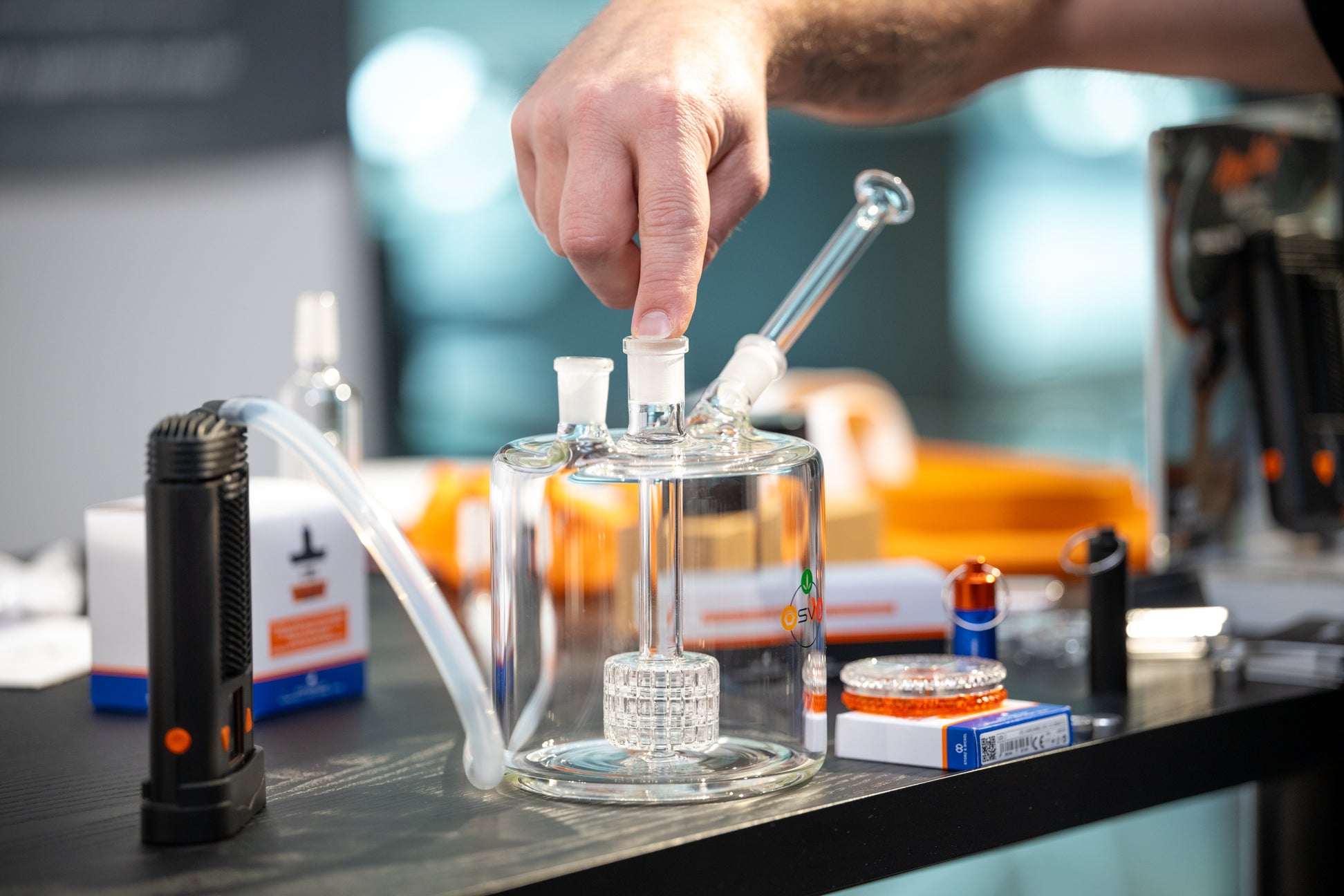
Temperature control is one of the most important features of a dry herb vaporizer. Unlike traditional smoking, vaporizers allow users to heat herbs at precise temperatures, which can significantly affect flavor, potency, and overall experience. Different compounds in herbs vaporize at different temperatures, so adjusting the heat level can help you customize each session. Understanding the best temperature settings will help you get the most out of your dry herb vaporizer.
Why Temperature Matters
When herbs are heated, the active compounds and aromatic elements begin to evaporate and form vapor. These compounds release at specific temperature ranges. If the temperature is too low, you may not extract enough of the desired compounds. If the temperature is too high, you may burn the herb or lose some of its delicate flavors.
Most dry dry herb vape operate between 160°C and 220°C (320°F to 428°F). Staying within this range ensures that the herb vaporizes properly without reaching combustion temperatures.
Low Temperature Range: 160–180°C (320–356°F)
Low temperature settings are ideal for users who want the best flavor and a smoother vaping experience. At this range, lighter compounds and aromatic terpenes are released first.
Benefits of low temperatures include:
-
Better flavor and aroma
-
Smooth and light vapor
-
Less irritation to the throat and lungs
-
More gradual and mild effects
This range is often recommended for beginners or for users who prefer a more relaxed and flavorful session. However, the vapor may appear thinner and less dense compared to higher temperature settings.
Medium Temperature Range: 180–200°C (356–392°F)
Medium temperature settings provide a balanced vaping experience. This range releases a wider variety of active compounds while still preserving good flavor.
Advantages of medium temperatures include:
-
Balanced flavor and vapor density
-
Moderate potency
-
Consistent vapor production
Many vaporizer users consider this range the “sweet spot.” It provides stronger effects than low temperatures while still maintaining enjoyable flavor. If you are unsure where to start, this range is usually a safe and reliable choice.
High Temperature Range: 200–210°C (392–410°F)
Higher temperature settings extract more compounds from the herb and produce thicker vapor. This range is typically used by experienced users who want stronger effects and maximum vapor production.
Benefits of high temperatures include:
-
Dense and visible vapor
-
Stronger effects
-
More complete extraction of active compounds
However, higher temperatures may reduce flavor because delicate aromatic compounds can break down under intense heat. The vapor may also feel warmer and slightly harsher on the throat.
Very High Temperatures: 210–220°C (410–428°F)
The highest temperature settings are used when users want to extract the final remaining compounds from the herb. Vapor production is usually at its strongest in this range.
Characteristics of very high temperatures:
-
Thick vapor clouds
-
Maximum compound extraction
-
Strong and intense effects
While this setting can be effective, going too high may bring the temperature close to combustion levels. This can reduce flavor and potentially produce a harsher experience.
Temperature Stepping Technique
Many experienced users follow a method known as temperature stepping. Instead of using one temperature for the entire session, they gradually increase the heat over time.
A typical session might look like this:
-
Start at 170°C for flavor and light vapor
-
Increase to 185–190°C for balanced effects
-
Finish at 200–205°C for stronger vapor and full extraction
This approach allows users to experience the full range of flavors and compounds while making the most of their herbs.
Tips for Choosing the Right Temperature
Choosing the best temperature often depends on personal preference and the type of herb being used. Here are a few general tips:
-
Start at a lower temperature and increase gradually
-
Use lower temperatures if flavor is your priority
-
Choose medium temperatures for balanced sessions
-
Use higher temperatures for stronger effects and thicker vapor
-
Avoid setting the temperature too close to combustion levels
Experimenting with different temperature levels can help you discover the settings that best match your desired experience.
Final Thoughts
Temperature control plays a key role in how dry herb vaporizers perform. Lower temperatures offer smooth vapor and better flavor, while higher temperatures deliver stronger effects and thicker clouds. By understanding the different temperature ranges and experimenting with your device, you can create a vaping experience that perfectly suits your preferences.
Whether you enjoy light, flavorful sessions or powerful, dense vapor, adjusting the temperature is the key to unlocking the full potential of your dry herb vaporizer.