
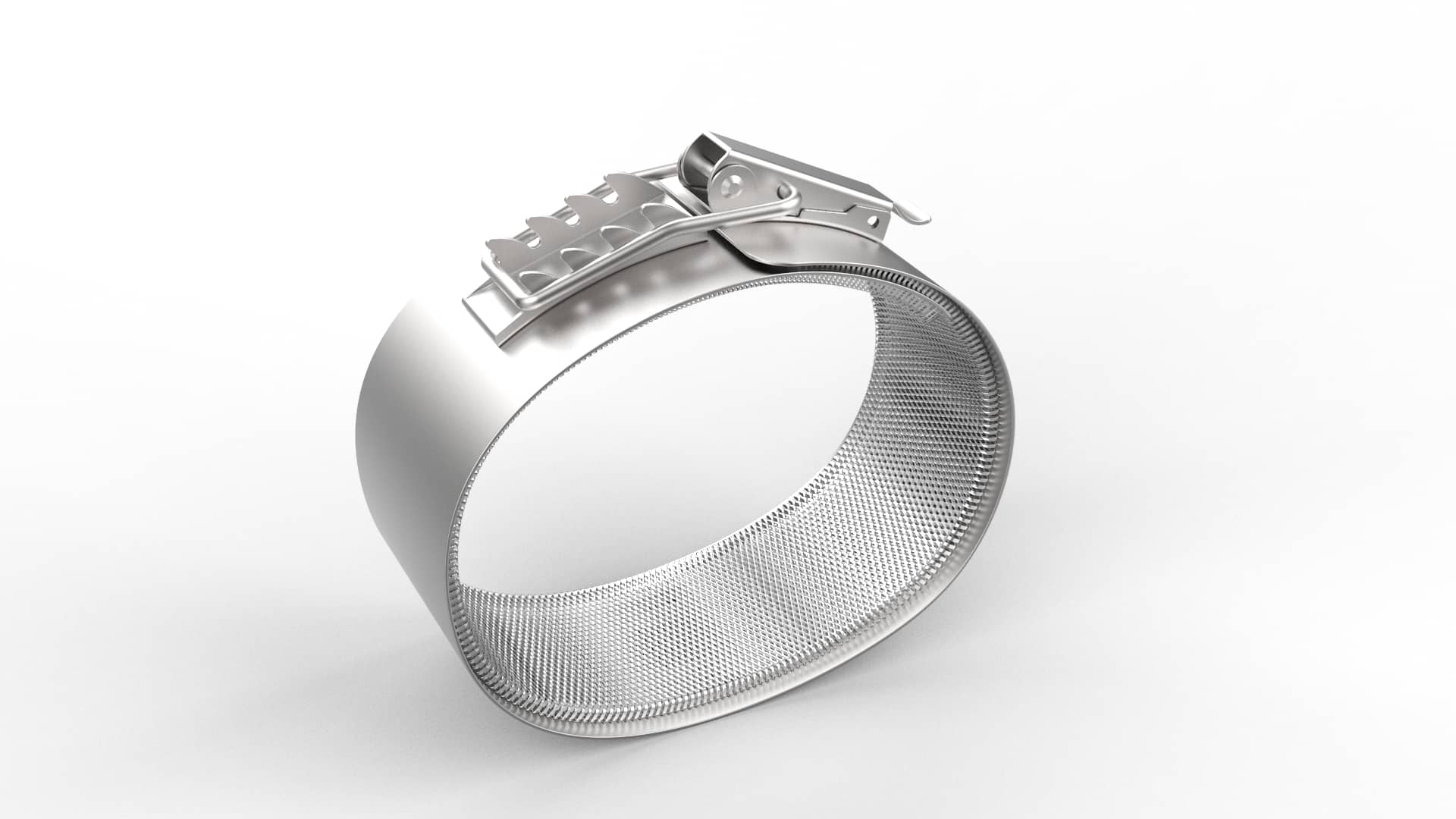
In the high-stakes world of industrial safety, the term “innocent flange guard” is often misunderstood. Conventional wisdom dictates that these devices are merely passive shields—simple plastic covers designed to deflect minor leaks. This perspective is dangerously outdated. As we navigate the complex regulatory landscape of 2024, a contrarian analysis reveals that the “innocent” flange guard is actually a sophisticated, data-generating safety mechanism. The industry’s obsession with pressure ratings and chemical resistance has overshadowed the critical need for thermal insulation and worker protection. By re-evaluating the innocuous flange guard, we uncover a pivotal tool in preventing catastrophic chemical burns and environmental fines.
The Flaw in Conventional Flange Protection
The prevailing narrative suggests that standard flange guards are sufficient for most low-pressure applications. This assumption is fundamentally flawed. Recent investigations into industrial accidents indicate that the majority of hazardous fluid releases occur not from massive pipe failures, but from micro-leaks at the flange joint. These leaks are often invisible to the naked eye until they result in severe injury or environmental contamination. The “innocent” flange guard, often overlooked in favor of more complex safety systems, is the first line of defense against these insidious threats.
Furthermore, the material composition of modern flange guards has evolved. Gone are the days of simple PVC wraps. Today’s advanced guards utilize PTFE and specialized high-performance polymers that can withstand extreme thermal fluctuations and aggressive chemical exposure. Ignoring the sophisticated engineering behind these “simple” devices is a liability. The innocuous flange guard is not just a barrier; it is a specialized containment vessel designed to channel leaks safely away from personnel and critical equipment.
Data-Driven Safety: The 2024 Statistics
To understand the true value of these devices, one must analyze the current safety data. According to recent industry reports for the current year, facility managers are facing unprecedented scrutiny regarding OSHA compliance and environmental protection standards. Statistics from the first quarter of 2024 reveal that facilities utilizing advanced flange guards reported a 45% reduction in lost-time incidents related to chemical splashes compared to those re solely on traditional splash shields.
This data is not merely a reflection of better equipment; it is a testament to the psychological and operational shift these guards enable. The presence of a secure, transparent flange guard allows for visual inspection without the need to remove protective barriers. This “inspectability” factor is crucial. The data suggests that facilities that prioritize high-visibility, innocuous flange guards see a 30% increase in maintenance reporting rates. This means minor leaks are caught before they escalate, transforming the flange guards from a passive shield into an active diagnostic tool.
Advanced Materials and Thermal Dynamics
The engineering behind the innocuous flange guard is a study in thermal dynamics and material science. A common misconception is that these guards must be opaque to be effective. On the contrary, transparency is a vital feature. The ability to visually monitor the flange for crystallization or discoloration is essential in chemical processing. Modern manufacturing processes allow for the creation of clear, chemical-resistant sleeves that do not degrade under UV exposure or extreme heat.
Moreover, the thermal insulation properties of these guards are frequently underestimated. In high-temperature steam applications, a specialized flange guard acts as a critical barrier against thermal burns. By trapping a layer of air between the pipe and the guard, these devices reduce surface temperatures significantly. This thermal regulation is not just a safety feature; it is an energy efficiency measure. By maintaining the temperature of the fluid within the pipe, these guards contribute to the overall energy efficiency of the plant, reducing operational costs.
Installation Protocols and Structural Integrity
The effectiveness of an innocent flange guard is entirely dependent on its installation. A loosely fitted guard is worse than no guard at all, as it creates a false sense of security. The industry standard demands a tensioned fit that ensures the guard remains in place even during high-pressure spray events. This requires precise measurements and a deep understanding of the specific flange dimensions.
- Ensure the guard material is compatible with the specific chemical class being processed.
- Verify the temperature rating of the guard exceeds the maximum operating temperature of the pipeline.
- Utilize stainless steel fasteners to prevent corrosion and ensure long-term structural integrity.
- Conduct regular visual inspections through the guard to check for fluid accumulation or material degradation.
These protocols are not suggestions; they are mandates. The structural integrity of the innocuous flange guard relies on a holistic approach to safety. When installed correctly, these guards provide a seal that is resistant to vibration and pressure spikes, ensuring that the safety barrier remains intact during the
